Smart Contract Development for Secure Blockchain Solutions
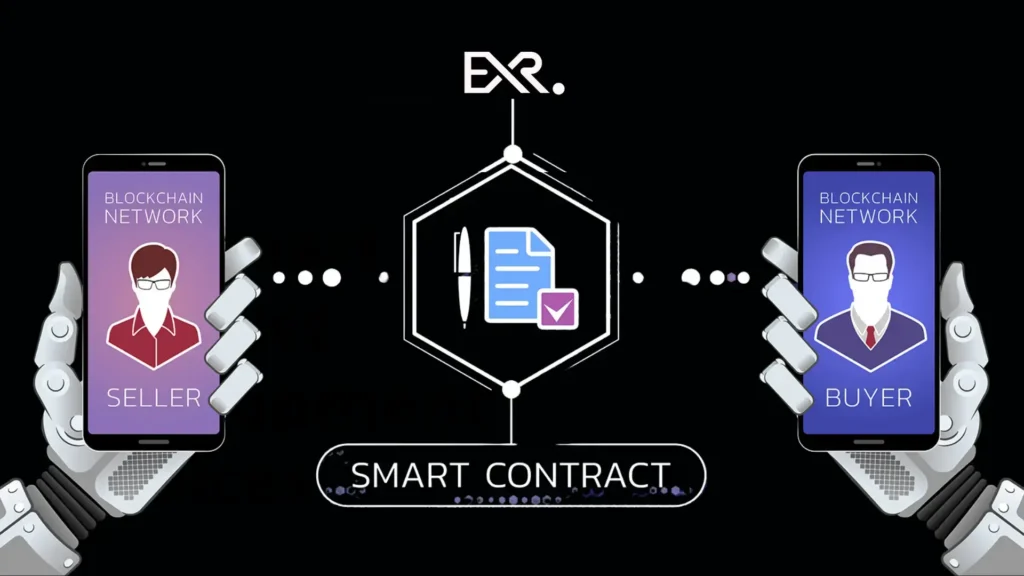
EXRWebflow offers secure smart contract development to build scalable blockchain apps, automate transactions, and ensure efficient, decentralized systems for global businesses.
- Custom smart contract development solutions
- Decentralized finance (DeFi) smart contract development
- Seamless blockchain integrations











Smart Contract Development Market Growth
The smart contract development market is witnessing strong growth, growing from $0.4 billion in 2022 to $1.46 billion by 2029 at a solid 24.2% CAGR. This can be attributed to the growing need for blockchain smart contract development services, DeFi, and scalable automation platforms as enterprises worldwide embrace decentralised technologies and digital transformation.
How does a smart contract work?
Smart contracts are based on logic written and deployed on blockchain networks that perform actions when trigger conditions are satisfied, ensuring trust, removing middlemen, and facilitating secure and immutable transactions in decentralized apps, finance, and enterprise-grade digital platforms.
Setup
Events
Execution
Settlement
Setup
Smart contract programmers set conditions, rules, and algorithms, then deploy the code onto blockchains to securely initialise and prepare for operation.
Events
Smart contracts wait for blockchain events and triggers, and execute actions based on certain conditions or external conditions.
Execution
When activated, the smart contract automatically runs programmed instructions, securely facilitating transactions without the need for intervention.
Settlement
Once processed, results are written to the blockchain, providing a transparent and auditable outcome to all parties with immutable results.
Our Smart Contract Development Services
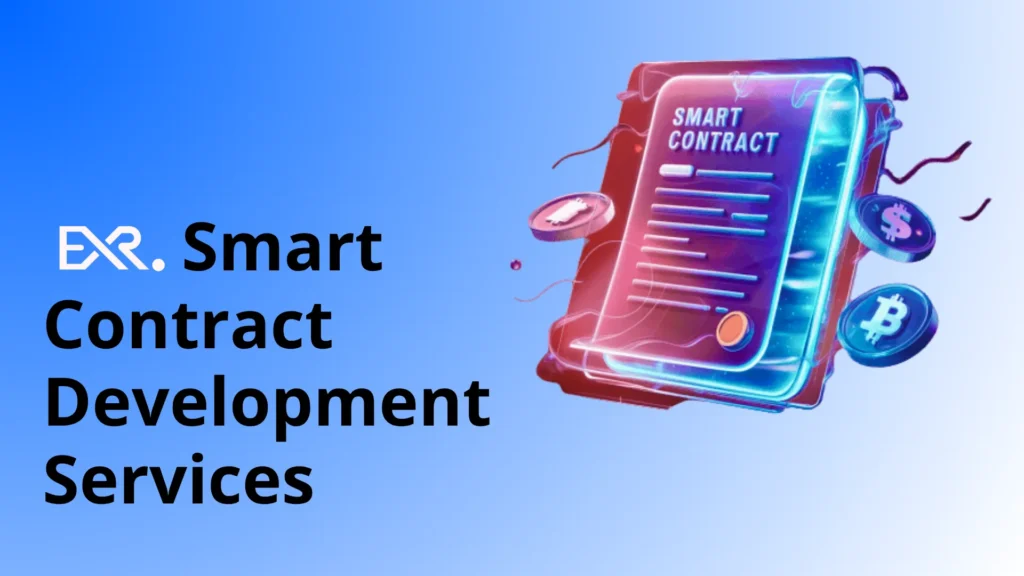
EXRWebflow offers end-to-end smart contract development, including design, auditing, and deployment, enabling businesses to create secure, scalable blockchain-based applications with efficient automation, risk mitigation, and performance enhancement in DeFi platforms, enterprise platforms, and emerging decentralised ecosystems.
Smart Contract Development
We architect and build secure and scalable smart contracts aligned with business requirements to ensure reliable automation, execution, and interoperability across different blockchain platforms.
Smart Contract Audit
We conduct comprehensive smart contract audits to detect bugs, enhance code quality, and achieve compliance, security, and reliability for deployment.
Smart Contract Consulting
Our smart contract consulting services assist companies in selecting the right smart contract architecture, improving processes, and enabling effective blockchain solutions to support long-term objectives.
Oracle Integration
We implement secure blockchain oracles to feed smart contracts with real-world data to ensure real-time accuracy, automation, and enhanced decentralized application features.
Benefits of Smart Contract Development
Smart contract development allows companies to automate transactions, minimize costs and risks, and remove the need for intermediaries with transparency and security. Using smart contract development services for blockchain, businesses can execute transactions faster, with higher accuracy and scalability, enabling DeFi, enterprise automation, and integration into the new decentralised digital ecosystem globally.
Scalable Smart Contract Solutions for Enterprises
Evolve your blockchain processes with smart contract development services to provide secure automation, seamless integration, and real-time transaction execution. Develop scalable decentralized solutions, increase the reliability of transactions, and take advantage of blockchain smart contract development services to increase efficiency, transparency, and speed across enterprise systems.
Our Step-by-Step Smart Contract Development Process
We use a systematic approach to develop smart contracts from analysis to deployment, delivering secure, scalable, and efficient solutions. Every step prioritises accuracy, security, and efficiency, allowing for secure smart contract development for enterprise and decentralized applications.
Smart Contract Analysis
We map business objectives, identify use cases, specify requirements, and align smart contract development approaches with business operations to ensure clarity, viability, and accountability before embarking on the blockchain solution design.
Blockchain Technical Analysis
Our technical experts assess technical requirements, choose appropriate blockchain platforms, evaluate integration points, and define development practices and structures to ensure the smart contract solution is scalable, secure, and meets performance and architectural constraints.
Contract Architecture Design
We develop effective smart contract designs, specifying processes, data models, and interfaces to achieve efficiency, modularity, and integration with decentralised apps and enterprise systems while ensuring security and performance optimisations.
Smart Contract Development
Our smart contract developers code secure and efficient smart contracts, integrate business logic and required features to provide reliable execution, optimised gas consumption, and interoperability with blockchain networks for scalable Decentralised Applications (dApps) and enterprise systems.
Contract Security Audit
We perform detailed smart contract audits, checking for vulnerabilities, testing business logic, and ensuring adherence to security best practices, to mitigate risks and ensure secure, reliable, and tamper-proof smart contract execution on blockchain networks and applications.
Smart Contract Deployment
We deploy smart contracts on chosen blockchain networks, set up integrations, and track performance to guarantee stability, security, and smooth operation for enabling businesses to safely and sustainably roll out decentralised applications.
Smart Contract Development Use Cases By Industries
Finance
DeFi lending and borrowing platforms
Decentralized lending and borrowing are made possible by smart contracts handling collateral, interest rates, and liquidations. This eliminates the need for intermediaries, enhances transparency, and enables users to access financial services from anywhere in the world, with enhanced security, trust, and efficiency.
Automated payments and settlements
Smart contracts facilitate payments and settlements by triggering transactions when certain conditions are satisfied. This removes any lag time, manual effort, and human error, and allows real-time financial transactions with greater transparency and lower costs.
Supply Chain
Transparent product tracking systems
Blockchain-based smart contracts provide transparent traceability of products through their supply chain. This promotes transparency, eliminates fraud, guarantees authenticity, and enables real-time tracking and verification of product origins and movement.
Automated supplier contract execution
Smart contracts facilitate supplier contracts by enforcing the terms when met. This avoids disputes, increases payment speed and accuracy, boosts compliance, and speeds up processes by removing manual verification of supply chain processes.
Healthcare
Secure patient data management
Smart contracts facilitate secure patient data management by regulating access and only allowing certain parties to view and edit data. This ensures privacy, accuracy, and compliance with healthcare regulations and standards.
Automated insurance claim processing
Smart contracts automate insurance claims processing, verifying claims, and processing payments in real-time. This speeds up processing, prevents fraud, increases transparency, and enhances user experience with quicker and more secure claims processing.
Real Estate
Tokenized property ownership systems
Smart contracts facilitate the tokenization of property assets, which enables fractional ownership and property rights transfer. This enhances marketability, lowers transaction costs, and streamlines processes, while ensuring transparency and security of property transactions.
Smart lease and escrow agreements
Smart contracts execute lease agreements and escrow arrangements by enforcing contractual obligations and distributing funds. This ensures dispute resolution, payments on time, and increases trust among real estate parties.
Insurance
Automated claims processing workflows
Smart contracts automate insurance processes, including validations and payments of claims. This cuts costs, fraud, and increases transparency and the speed of claim processing for both insurees and providers.
Fraud prevention and risk assessment
Smart contracts boost fraud protection by cross-checking information from multiple data sources and activating rules. This enhances risk management, mitigates fraud, and ensures secure and efficient insurance processes within digital platforms.
Blockchain Platform We Use For Smart Contract Application Development
Our smart contract development services use the best blockchain platforms for secure, scalable, and efficient smart contracts. We choose the right platform for each use case to get the best performance in speed, cost, interoperability, and reliability for building decentralized apps (dApps), DeFi solutions, and enterprise-level blockchain integration for a range of industries.

Ethereum is the leading smart contract platform for DeFi, NFTs, and enterprise. Its ecosystem, security, and tooling make it the go-to choice for building scalable decentralized apps and sophisticated blockchain solutions.
- Strong developer ecosystem
- High security standards
- DeFi and NFT support
- Extensive tooling and libraries

Solana has fast transactions and low fees and can be used for scalable smart contract use cases. It’s commonly used for DeFi, games, and other high-frequency and low-latency use cases.
- High transaction speed
- Low fees
- Scalable infrastructure
- Ideal for DeFi and gaming

Tron is a high-speed, low-cost blockchain platform for building smart contracts. It is popular for DeFi, content, and app development with fast throughput and low-cost blockchain operations.
- High throughput
- Low transaction costs
- Fast confirmations
- Strong dApp ecosystem

Polygon increases the speed and reduces the cost of Ethereum transactions. It’s perfect for creating scalable smart contract apps, and it’s compatible with Ethereum’s ecosystem and security.
- Layer 2 scaling solution
- Low gas fees
- High scalability
- Ethereum interoperability

Arbitrum is a Layer 2 scaling protocol that helps to speed up and lower the cost of smart contract execution in Ethereum. It allows developers to develop scalable decentralized applications while retaining Ethereum security and compatibility with its tools and ecosystem.
- Faster transactions
- Lower gas costs
- Ethereum compatibility
- Secure scaling

Optimism is a Layer 2 protocol aimed at improving the scalability of Ethereum by lowering transaction fees and enhancing speed. It facilitates smart contract development with low costs and is compatible with Ethereum, allowing for rapid and cost-effective deployment of decentralized applications.
- Low transaction fees
- Faster execution
- Ethereum compatible
- Scalable infrastructure

Cardano is all about security and scalability, and a research-driven smart contract platform. It is a suitable platform for applications calling for formal verification, stability, and scalability.
- Research-driven development
- Strong security model
- Energy efficient
- Scalable architecture
Frequently Asked Questions FAQs?
What is smart contract development?
Smart contract development involves writing computer programs on blockchain that automatically execute transactions, eliminate middlemen, and provide secure and transparent execution of business rules.
How do you create smart contracts?
Smart contracts are built by defining the logic, coding, security testing, and deployment on the blockchain. It involves analysis, development, security audit, and development of applications.
What language are smart contracts written in?
Smart contracts can be developed in languages such as Solidity (Ethereum), Rust (Solana), Vyper, among others, based on the blockchain platform and use case.
Which blockchain supports smart contracts?
Ethereum, Solana, Binance Smart Chain, Polygon, Avalanche, and Cardano are some of the most common platforms, which vary in scalability, transaction speed, and cost.
Are smart contracts legal?
Smart contracts are enforceable in many jurisdictions if they comply with contract laws, but their enforceability varies and is often backed by conventional contracts.
Our Latest Smart Contract Development Articles
Read expert advice on smart contract development, including insights on DeFi technologies, blockchain architecture, security tips, and use cases. Keep an eye on market trends, scalable approaches, and best practices to help companies develop secure, efficient, high-performance smart contract systems in the ever-changing decentralized digital economy.
Connect free Quickly
Have an idea worth building? Let’s shape it into something powerful. At EXRWebflow, we combine AI expertise with smart execution to turn concepts into real, scalable solutions. Start the conversation, your next big solution begins here.
Fill out the form